Woven Fabrics
Woven fabrics interlace warp and weft yarns. They typically hold shape better than knits and suit shirts, skirts, trousers, dresses, outer shells, and accessories—from plain and twill bases to fashion surfaces like satin, chiffon, and patterned plaids. What to compare: weave type · fabric weight · opacity · wash shrinkage · abrasion and finish behavior. Use the guides below for poplin, denim, gauze, terry, canvas, and other common woven types in kidswear.
-
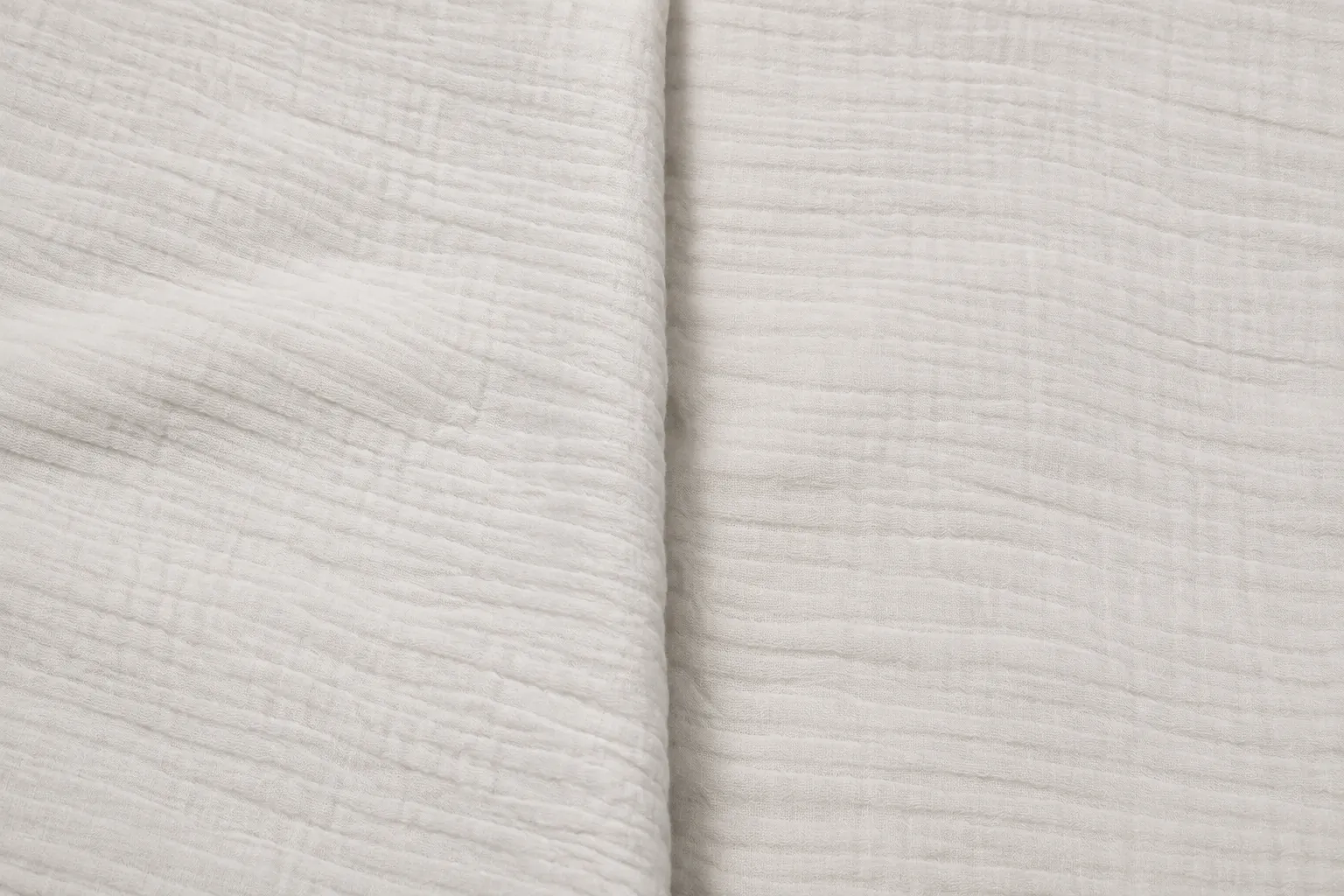
Double Gauze Fabric for Kidswear
Double gauze combines two lightweight gauze layers into one airy, slightly puffy woven fabric used in baby dresses, rompers, and breathable tops. This guide covers construction, fiber options, kidswear applications, and how it differs from single gauze.
-

Mesh Fabric (Woven) for Kidswear
Woven mesh provides stable open structure for breathable kidswear panels, linings, and sport-influenced styles where airflow and dimensional stability matter.
-

Jacquard Fabric (Woven) for Kidswear
Woven jacquard integrates pattern into the weave for kidswear dresses, rompers, and heritage looks—offering visual depth without surface printing on every style.
-

Twill-Weave Fabrics for Kidswear
Twill weave creates the diagonal ribs seen in chino, drill, and many durable children’s bottoms. This guide explains the structure, how it differs from plain and satin weaves, and what to validate before bulk orders.
-

Towel Fabric for Kidswear
Towel fabric delivers high absorbency for children’s hooded towels, washcloths, and bath accessories—engineered separately from woven terry cloth used in apparel contexts.
-

Terry Cloth for Kidswear
Woven terry cloth offers loop-pile absorbency and a soft hand for kidswear robes, beach cover-ups, and layered pieces—distinct from towel fabric and knit terry constructions.
-

Single Gauze Fabric for Kidswear
Single gauze is a lightweight plain-woven fabric with a slightly crinkled, airy hand, widely used in baby swaddles, summer tops, and breathable layers. This guide covers weave structure, fiber options, kidswear applications, and manufacturing considerations.
-

Satin Fabric for Kidswear
Satin weave creates a smooth, lustrous face valued in dressy children’s wear, linings, and ceremonial outfits. This guide explains how satin differs from sateen and other weaves, and what to validate before production.
-

Poplin Fabric for Kidswear
Poplin is a plain-weave woven fabric with fine crosswise ribs, a smooth crisp hand, and moderate durability—common in children’s shirts, dresses, and schoolwear. This guide covers structure, fiber blends, manufacturing notes, and sourcing factors.
-

Plain-Weave Fabrics for Kidswear
Plain weave is the foundational woven structure behind many children’s shirts, dresses, and lightweight outer layers. This guide explains how to identify it, what to expect in performance, and how it compares to named weaves like poplin and gauze.
How to Compare These Fabrics
Cards open full fabric guides—definition, kidswear uses, and how similar names differ—not marketing swatch books.
Compare structure and finish first, then fiber content on the care label. Two knits in this family can still differ in GSM, stretch, pilling, and wash behavior.
For fiber-led browsing, use composition hubs (cotton, polyester, and others) or the tags on each guide. For the full library map, return to the Kidswear Fabric Library.